

Key takeaways:
-
The menopause causes a range of symptoms, including hot flushes, night sweats, sleep disturbances and mood changes
-
CBD is extracted from the hemp plant, and CBD products are legal in the UK
-
CBD is different from cannabis - it won’t get you high and it’s non-addictive
-
There aren’t many studies looking specifically at CBD for menopause, but anecdotally, many women report that CBD may help alleviate their symptoms
-
Research suggests CBD may help to support mood regulation, temperature regulation, better sleep and other menopause symptoms
The menopause can cause many different symptoms, and there’s evidence that some of them may be managed by using CBD. Here’s an overview of using CBD for menopause symptom relief.
How menopause impacts the body
The menopause is a transitional phase in a female body, caused by a gradual, followed by a more rapid, decline in the female sex hormone, oestrogen, usually beginning when a woman is in her 40s.
There are numerous and wide-reaching symptoms of menopause, and each woman will experience a different set of symptoms to varying degrees. Common menopausal symptoms include:
-
A change in the frequency, regularity and flow of periods
-
Hot flushes
-
Night sweats
-
Sleep disturbances
-
Brain fog
-
Mood changes
-
Mood swings
-
Anxiety
-
Low mood or depression
-
Low energy
-
Joint pain
How does CBD help with menopause symptoms?
CBD is a compound called an endocannabinoid and is extracted from the hemp plant, a type of cannabis plant.
Products containing CBD made from hemp contain trace or undetectable levels of THC (tetrahydrocannabinol), the active ingredient in cannabis that gives its intoxicating effect. CBD is non-psychoactive, won’t get you high and is non-addictive.
In the UK, CBD products are legal, regulated for safety and must contain less than 0.2% THC.
CBD is linked to several health benefits, but much of the research into these health benefits of CBD is either limited or non-specific to the menopause.
However, studies do suggest a wider range of benefits of CBD that may support some common symptoms of menopause. It’s thought that this is due to the effect of CBD on the body’s endocannabinoid system.
The effect of CBD on the endocannabinoid system
The endocannabinoid system, or ECS, is a network of receptors and messenger cells that runs throughout the body from the brain, supporting the body’s delicate internal balance, or homeostasis.
As the ECS continues to be researched, evidence suggests that it influences many functions within the body, working constantly to regulate and make adjustments to:
-
Mood regulation
-
Sleep patterns
-
Pain perception
-
Temperature regulation
-
Appetite
-
Immunity
-
Memory and cognitive function
The functions that are influenced by the ECS can also be impacted by the menopause. For example, mood regulation can become difficult if you’re impacted by mood swings, and temperature regulation can be affected by hot flushes and night sweats.
Naturally occurring chemicals made by the body, called endocannabinoids, interact with the receptors of the ECS, signalling to the body that it needs to act. For example, to react to pain or to regulate the mood.
CBD is a type of cannabinoid that acts similarly to naturally occurring endocannabinoids, and research suggests that CBD can interact with the receptors of the ECS to support them in their regulatory roles.
Therefore, the current theory is that CBD may help many women manage their symptoms of menopause by supporting the work of the ECS.
CBD & hormones
The endocannabinoid system is thought to be intricately involved with the endocrine system, the system that regulates hormones.
The research into this is in its early stages, but early evidence suggests that CBD can help to influence hormone regulation by interacting with the receptors of the ECS that control hormones.
How CBD may potentially help with menopause symptoms
There are studies suggesting that CBD specifically helps alleviate menopause symptoms, such as anxiety and poor sleep quality.
So far, menopause related evidence is anecdotal, but as CBD use increases, many women are reporting that CBD can help with menopause symptoms.
Reduce anxiety
Studies into using CBD for anxiety continue, but a 2020 review of the current literature found that CBD had properties that could reduce feelings of anxiety and depression.
Sleep quality
A 2024 study found that taking 15 mg of CBD helped improve sleep quality in adults experiencing sleep disturbances. Another, in 2023, concluded that CBD may help manage insomnia, but that more studies were needed.
Relieve pain and inflammation
Joint pain and inflammation are common menopause symptoms. Studies show a potential for CBD to reduce inflammation and pain by interacting with the receptors of the ECS that trigger inflammation. The anti-inflammatory properties of CBD are an area of interesting research that’s likely to continue.
Aid in stress management
The research into CBD for stress management is currently limited, but early indications are that using CBD could help alleviate symptoms of stress and could therefore make menopause-related stress easier to manage.
Mood stability
Mood swings and mood changes are common menopause symptoms. Evidence suggests that CBD can interact with serotonin receptors, helping improve mood regulation.
Sexual health
No studies are currently looking directly at the impact of CBD on the libido of women going through menopause. But anecdotally, if CBD helps to reduce anxiety and better support mood changes, it may have a positive impact on sex drive.
Safety considerations & side effects
CBD is generally considered safe for most people. However, some people experience side effects including fatigue, appetite changes and an upset stomach when they start.
If you feel unwell when taking CBD for menopause, stop and speak to a healthcare professional if you’re concerned.
Using CBD isn’t a substitute for prescribed medication.
Which CBD product to use?
There are several different CBD products available, including:
-
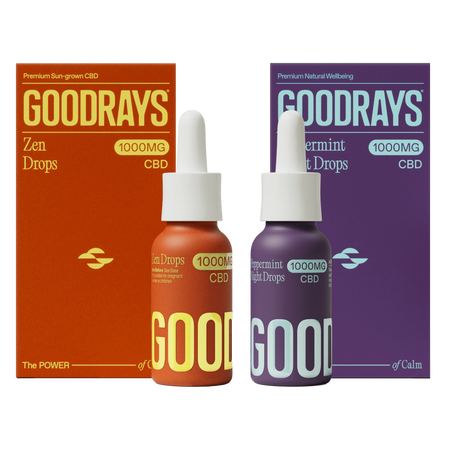
CBD oil - CBD oil usually consists of CBD suspended in a carrier oil, such as coconut oil, and usually comes in a dropper bottle. It’s designed to be used under the tongue, where it enters the bloodstream directly.
-
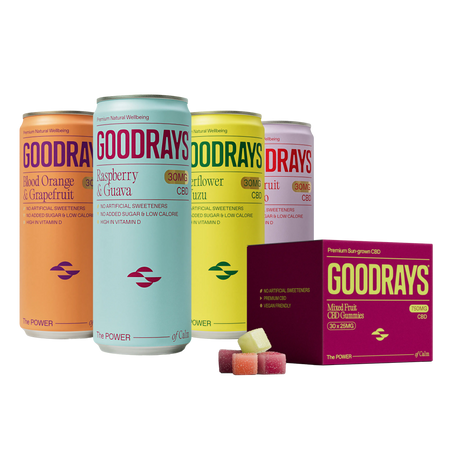
Edibles - CBD edibles such as gummies and sweets are easy to dose and consume on the go.
-
Drinks - CBD drinks are also easy to dose and consume. Like CBD gummies and other edibles, they may be slower to have an effect than CBD oils as they need to pass through the digestive system before entering the bloodstream.
-
Creams - CBD creams are designed to be applied to the skin for external use and help to hydrate and moisturise. They may also help reduce inflammation and joint pain.
CBD dosage
There is no standardised dose of CBD for menopause related symptoms. It’s recommended that you start on a low dose, for example, 20 or 25 mg each day, to see if you feel any benefit.
You can gradually increase to a higher dose by around 5 mg per week if you feel you may benefit from a higher dose, until you feel the desired effects.
Advice for buying CBD
When choosing CBD to help with menopause symptoms, choose from a brand that uses high-quality, pure ingredients that have been independently tested.
As well as considering the type of CBD product to take (i.e. CBD oil, gummies or drinks), also consider the form of CBD contained within these products. There are three forms of CBD used in a variety of products:
-
Full-spectrum CBD contains CBD plus all of the other cannabinoids found in the hemp plant, including beneficial terpenes and flavonoids, as well as trace levels of THC. (CBD products must contain less than 0.2% THC and are unlikely to cause a high, but with continued use, there’s a small chance that THC may build up in your body and could potentially be detected on a drug test.)
-
Broad-spectrum CBD contains all of the cannabinoids found in the hemp plant, with the THC removed.
-
CBD isolate is the purest form of CBD with no THC.
How to use CBD oil for menopause
CBD oil usually comes in a small dropper bottle and is designed to be dripped under the tongue, where it can enter the bloodstream directly. The label will tell you the concentration of the CBD product, and from there, you can work out how much CBD is in each dropper.
Getting your CBD for menopause dose right may take some practice, but with the right dosing guidance, many women report some relief from their symptoms.
Limitations
Like any medicines or supplements aimed at menopausal women, CBD for menopause can’t eliminate menopausal symptoms.
As the research evolves, more will be understood about how CBD can help women manage their symptoms, but as it stands, CBD may help you reduce symptoms such as anxiety, mood changes, sleep disturbances and joint pain.
Alternative ways to ease menopause symptoms
What works (and doesn’t work) to manage your menopause symptoms will be unique to you. Many women benefit from taking medications such as HRT or antidepressants, while others find that using CBD can help alleviate some of their symptoms. But there are lifestyle actions that do seem to be beneficial for many women:
-
Regular exercise - Exercise releases endorphins, feel-good chemicals that provide a mood boost. Also, exercising supports a healthy weight and body composition that can also help lift a low mood exacerbated by low body confidence. Regular exercise also builds stronger bones and muscles and improves balance, which can mean that trips and falls are less likely and less likely to result in broken bones.
-
Cognitive behavioural therapy (CBT) - CBT is a form of talking therapy that can help you untangle difficult emotions as your mind and body change, and improve brain fog, mood swings, anxiety and sleep disturbances.
-
Adequate sleep hygiene - Sleep hygiene is the theory that having a wind-down evening routine and a healthy sleeping environment can help improve sleep quality. Good sleep hygiene includes avoiding using phones and other screens in the hour before bed, having a set bedtime, drinking chamomile tea before bed, having a cool, dark, quiet, clutter-free bedroom and having pyjamas and bed sheets made from natural, breathable fabrics such as cotton or bamboo.
-
Maintaining a healthy weight - Getting older and losing oestrogen can make you more likely to develop conditions such as type 2 diabetes and heart disease. Being overweight or obese may exacerbate this risk.
-
Limiting alcohol and caffeine - Alcohol and caffeine can contribute to feelings of anxiety and make some menopausal symptoms, such as night sweats and hot flushes, worse. They’re especially best avoided before bed as they can both disrupt sleep patterns.
Consulting a healthcare professional
If you’re struggling with menopause symptoms, make an appointment to speak to your GP or specialist healthcare professional. They can discuss your suitability for medications, lifestyle adaptations and your own personal benefits and risks of using CBD for menopause symptom relief.
Research
Healthline has a helpful article on the health benefits of CBD, and this article from Harvard Health takes an interesting look at the number of women going through menopause who are now using CBD to help alleviate their symptoms.
Frequently asked questions
Is CBD safe to use during menopause?
Yes, CBD is generally considered safe to use by most adults, including menopausal women.
Can CBD be used alongside other menopause treatments?
Yes, CBD can be taken with HRT, but it’s best to check with a healthcare professional before using CBD if you’re taking HRT or any other medication. Your doctor may advise you to space out your CBD and HRT to give them both a chance to take effect.
What strength CBD for menopause?
There is no standard recommended strength of CBD for menopause. Start low, around 20 or 25 mg daily, and gradually increase to a higher dose by around 5 mg per week until you experience the desired effects.
How to use CBD oil for menopause symptoms?
CBD oil comes in a dropper bottle and is designed to be dripped under the tongue and held there for as long as possible. The product labelling will inform you how much CBD is contained within each dropper.
How much CBD oil for menopause symptoms?
There is no recommended dose of CBD to support women going through menopause, but it’s best to start low, around 20 or 25 mg daily.
How to choose the right CBD product for menopause?
The right CBD for menopause product for you is down to personal choice. There’s a range of CBD products that may help with menopause symptoms, including CBD oils, gummies and drinks.
Gummies and drinks are easier to dose and take on the go than CBD oils, but CBD oils may be faster acting as they enter the bloodstream directly. CBD gummies and drinks need to pass through the digestive system before entering the bloodstream.
References
Krieger, L. (2025, April 29). CBD for Menopause: Does It Help with Menopause Symptoms? https://www.joinmidi.com/post/cbd-for-menopause
Rd, J. K. M. (2025, August 28). The health benefits of CBD — and a look at side effects. Healthline. https://www.healthline.com/nutrition/cbd-oil-benefits
De Gregorio, D., McLaughlin, R. J., Posa, L., Ochoa-Sanchez, R., Enns, J., Lopez-Canul, M., Aboud, M., Maione, S., Comai, S., & Gobbi, G. (2018). Cannabidiol modulates serotonergic transmission and reverses both allodynia and anxiety-like behavior in a model of neuropathic pain. Pain, 160(1), 136–150. https://doi.org/10.1097/j.pain.0000000000001386
Schier, A., Ribeiro, N., Coutinho, D., Machado, S., Arias-Carrion, O., Crippa, J., Zuardi, A., Nardi, A., & Silva, A. (2014). Antidepressant-Like and Anxiolytic-Like Effects of Cannabidiol: A Chemical Compound of Cannabis sativa. CNS & Neurological Disorders - Drug Targets, 13(6), 953–960. https://doi.org/10.2174/1871527313666140612114838
This article is for informational purposes only and does not constitute medical advice. Please consult your healthcare provider before starting any new supplement, especially if you are pregnant, breastfeeding or taking other medications.
Read more about our author here


