


Key Takeaways:
-
CBD isolate is a form of CBD that contains no other plant compounds, including THC
-
Because it contains no THC, using CBD isolate won’t cause you to fail a drug test
-
CBD isolate is found in a range of products, including CBD oil, drinks and gummies
CBD (cannabidiol) is extracted from the hemp plant. It differs from cannabis as it contains no or trace levels of THC (tetrahydrocannabinol), the psychoactive component of cannabis that causes a high.
CBD doesn’t cause a high, isn’t addictive, and some studies suggest it may have some benefits, including promoting a calming effect.
There are three types of CBD: full-spectrum CBD, broad-spectrum CBD and CBD isolate. CBD isolate is the purest form of CBD and contains no THC. Full-spectrum CBD contains trace amounts of THC, but not at concentrations that will cause a high. Some people choose to take full-spectrum CBD products, while others prefer to use CBD isolate products to avoid taking any THC at all.
What is CBD isolate?
CBD isolate is a pure form of CBD that contains no THC, terpenes or flavonoids.
What CBD isolate looks like
CBD isolate is a white, crystalline powder with a granular texture that resembles table salt or sugar. It has no taste or aroma. In its raw form, it may also be found in solid blocks before it’s broken down into a slightly coarse powder.
Purity explained
CBD isolate contains 99% (or more) pure CBD, with no other plant compounds, oils or chlorophyll that are found in the hemp plant. The remaining 1% (or less) is generally considered to be residual trace material left over from the extraction process.
CBD isolate vs CBD distillate
CBD distillate differs from CBD isolate and is a thick, gold-coloured liquid containing refined CBD. Although concentrated, CBD distillate isn’t as pure as CBD isolate, containing around 70-90% CBD.
How CBD isolate is made
CBD extracted from the hemp plant undergoes a series of processes to become CBD isolate.
Extraction from the hemp plant
First, CBD is extracted from the leaves and flowers of the hemp plant. This process is usually via CO2 extraction, during which carbon dioxide is used under high pressure and low temperatures to cleanly extract the CBD.
Winterisation and filtration
Winterisation is a refining process that removes unwanted plant materials from the extract. The CBD extract is dissolved in ethanol and chilled to very low temperatures, which causes waxes and fats to solidify. The mixture is then filtered to remove them, and chlorophyll is taken out through further filtration.
Decarboxylation and distillation
The remaining mixture contains a precursor to CBD, called cannabidiolic acid (CBDA). Decarboxylation converts CBDA into CBD by applying controlled heat to the mixture. A precise heat is then applied to the extract under vacuum to separate CBD from any other remaining plant compounds.
Crystallisation into powder or crystals
Finally, a safe solvent is mixed with the distilled CBD, and the mixture is heated and then cooled to form CBD crystals. These crystals are either turned directly into CBD isolate products or ground into a fine powder before being turned into CBD isolate products.
How CBD works in the body
CBD is a compound called a cannabinoid, and it helps to promote feelings of calm and relaxation by influencing the endocannabinoid system (ECS).
The endocannabinoid system explained
The ECS is a body-wide network of cells and receptors that helps to maintain balance, or equilibrium, in the body. It’s responsible for regulating things such as body temperature, the sleep-wake cycle, appetite, immunity and mood.
The body produces compounds called endocannabinoids that interact with receptors in the ECS to help regulate processes such as sleep and appetite, for example, promoting sleepiness in the evening or signalling that we're full after eating. Endocannabinoids also interact with the ECS to support mood, and can help to reduce feelings of anxiety or stress.
But endocannabinoids eventually deplete, and until the body manufactures more, they can no longer have an effect. It’s thought that CBD works by slowing the depletion of naturally occurring endocannabinoids.
What are the effects of CBD isolate?
Studies suggest that CBD products have a calming and relaxing effect on the body. The benefits of CBD include improved sleep, reduced anxiety, better focus and more managed pain.
Is CBD isolate psychoactive?
No, unlike THC and cannabis products, CBD products, including those made with CBD isolate, aren’t psychoactive and don’t cause a high.
CBD isolate vs broad-spectrum vs full-spectrum
CBD isolate is one of three different types of CBD. The other two are full-spectrum CBD and broad-spectrum CBD. When CBD is extracted from the leaves and flowers of the hemp plant, it contains other compounds, including low levels of THC, terpenes and flavonoids.
Terpenes are essential plant oils that give plants their distinctive aromas, and flavonoids are plant chemicals that give plants their distinctive colours.
Full-spectrum CBD contains all of the compounds found in hemp plant extracts, including terpenes, flavonoids, and low levels of THC. Broad-spectrum CBD contains all of the same compounds but has had the THC removed.
CBD isolate is pure CBD, with no terpenes or flavonoids and is THC-free.
The entourage effect
There is a theory that suggests that THC (at trace levels), terpenes and flavonoids may work together with CBD to increase the benefits you may feel from using CBD. This is called the entourage effect. This synergistic effect is still a theory at present, and more studies are needed to discover if it actually exists.
Which type is best
There is no ‘best’ type of CBD; it depends on your own circumstances. However, even though the THC content in full-spectrum CBD is very low, it’s something that needs to be considered and might mean that CBD isolate products work better for you.
Reasons people choose CBD isolate
THC can build up in the body with regular use of full-spectrum CBD, which can lead to THC being detected on a drug test. People who are subject to drug testing, or who are concerned about having THC in their system, may prefer to use CBD isolate products.
Also, since CBD isolate doesn’t contain terpenes, it doesn't have the distinctive earthy taste or smell associated with hemp and cannabis.
Drawbacks and limitations of CBD isolate
If the entourage effect is found to exist, some people may experience increased benefits from using a full-spectrum CBD product over a CBD product made from isolate.
Ways to take CBD isolate
In addition to the three types of CBD, there are various ways to take it. There is no best way to take CBD, the most beneficial way is the one that works best for you. But here are the different ways you can take CBD isolate products.
Sublingually
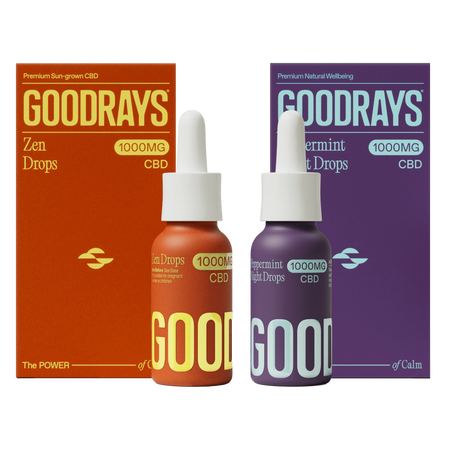
Sublingually means ‘taken under the tongue’. Sublingual CBD is usually found in the form of CBD oil. CBD isolate oil is pure CBD mixed with a carrier oil, usually coconut oil, packaged in a small dropper bottle.
You can then add drops of the CBD oil under your tongue (enough drops for the dose you’re taking) and hold it there for a moment before swallowing.
Sublingual CBD enters the bloodstream directly and therefore has a quicker effect than CBD products that need to be digested, such as gummies. You can expect to feel an effect within 15 to 30 minutes, with the effects lasting 6 to 8 hours.
In finished products: capsules, gummies and drinks
CBD isolate is infused in many different foods and drinks, such as gummies and vitamin-infused sparkling waters.
These kinds of CBD products enter the digestive system and must be metabolised by the liver before entering the bloodstream. Therefore, their effects are slightly slower. They typically take 30 minutes to 2 hours to take effect, but last a little longer, up to 12 hours for gummies.
In food and drinks
You can add CBD isolate oil to alcoholic and non-alcoholic drinks as well as in baking, such as cakes and cookies. As they, too, need to be digested, expect an effect within 30 minutes to 2 hours.
Topicals and DIY blends
CBD is also available in shop-bought and homemade topical creams and ointments designed to calm irritated skin or sore muscles.
Topicals act locally on the skin rather than entering the bloodstream. You can expect them to take effect within about half an hour, and to last for around 6 hours.
Is CBD isolate legal in the UK?
CBD isolate products are legal in the UK as long as they adhere to some strict rules and regulations:
Novel foods and the FSA public list
An independent scientific advisory body, the Advisory Committee on Novel Foods and Processes (ACNFP), advises the Food Standards Agency (FSA) on the sale of CBD products.
This advice is supported by the FSA, which states that CBD products are food supplements, not medicinal products. As such, they must be sold as Novel Foods and are subject to Novel Foods regulation. All CBD products for sale in the UK must be listed on the FSA’s Novel Foods list, known as the FSA CBD Public List.
CBD brands cannot make explicit medical claims about their products. Only licensed CBD products can make medical claims, and only then if it’s registered with the MHRA (Medicines and Healthcare Products Regulatory Agency) for legal sale in the UK.
In September 2026, the FSA recommended that ministers in England and Wales authorise the first three CBD food products as novel foods. Two of these are CBD isolates and one is synthetic CBD, all at least 98% pure and intended for adults at up to 10mg per day. If approved, they will be the first CBD food authorisations in Great Britain.
Controlled cannabinoid limits and the 0.2% rule
CBD is not a controlled substance under the Misuse of Drugs Act 1971. However, CBD products made with full-spectrum CBD may contain trace amounts of THC.
THC is a controlled substance, and therefore, full-spectrum CBD products have to meet the exempt product definition in the Misuse of Drugs Regulations 2001. The Home Office states that CBD must contain no more than 1mg of controlled cannabinoids (such as THC) per container of product.
It’s commonly noted that CBD products can only contain 0.2% THC or less. But this doesn’t tell the full story. The “0.2% rule” refers to the limit of THC or other controlled cannabinoids in the hemp plant as it grows.
The 1mg per container rule refers to the finished product, so, for example, no more than 1mg of THC or other controlled cannabinoids is permitted in a can of CBD drink or a bottle of CBD oil.
Alongside this, the FSA has set its own food safety limit for THC. CBD food products should not provide more than 0.07mg of THC per day when taken as directed, which works alongside the 10mg daily guidance for CBD. The FSA has set this safe upper limit for THC based on advice from its independent scientific committees.
How much CBD isolate should you take?
The ACNFP, along with the UK Committee on Toxicity of Chemicals in Food, Consumer Products and the Environment (COT), revised its advice on how much CBD you should consume in a day in October 2023.
The FSA’s 10mg per day precautionary advice
The FSA now advises that healthy adults should “limit CBD consumption to a provisional acceptable daily intake (ADI) of 10 mg per day”.
Why measuring in milligrams matters
CBD isolate is very pure; therefore, measuring exact amounts in milligrams is important, as even a very small increase in weight represents a large increase in dose. However, finished products intended for consumers usually contain CBD isolate in a carrier oil, mixed into a drink or as a gummy, rather than as a pure powder.
Will CBD isolate show up on a drug test?
No, drug tests are designed to detect THC, not CBD. If you’re using CBD isolate, it won’t cause you to fail a drug test as it’s THC-free. Keep in mind that using full-spectrum CBD might cause THC to build up in your system, which could potentially cause it to show up on a drug test.
Safety, side effects and medicine interactions
The World Health Organisation states that CBD is safe and well-tolerated by most people, with no potential for abuse. Some people experience mild side effects from using CBD, including dizziness, a dry mouth, decreased appetite and diarrhoea.
Who should avoid CBD altogether?
If you’re taking prescribed medications, speak to your doctor or pharmacist before using CBD. CBD may interact with some medications, including some used to manage seizures, depression and heart problems.
Those who are pregnant, breastfeeding, trying to conceive, or under the age of 18 should avoid using CBD.
How to choose a quality CBD isolate product
To ensure you’re taking what you think you’re taking, only ever buy CBD products from reputable brands. There are a few things to watch out for, including third party lab reports that demonstrate testing for purity (this should be mentioned on a brand's website) and a Certificate of Analysis.
How to read a Certificate of Analysis
A Certificate of Analysis (CoA) is a report issued by an independent laboratory that verifies the purity and potency (strength) of a CBD product. They’re normally available on a brand's website.
Check that the CoA confirms:
-
The laboratory is a third-party, not the same name as the brand
-
The date of the test is ideally within the past 12 months
-
The potency aligns with the product
-
The THC level (zero for CBD isolate products)
-
The product is free from toxins, heavy metals, pesticides and pathogens
Red flags to watch for
Avoid buying from brands that don’t have a CoA or that make bold health claims using words such as ‘proven’, ‘cures’, ‘treats’ and ‘prevents’.
How to store and handle CBD isolate
CBD degrades when exposed to sunlight, so make sure CBD products, particularly CBD oil, are packaged in blue or amber glass bottles or in bottles covered to prevent light from getting in.
More information and research
Healthline has an in-depth look at the entourage effect, and Medical News Today examines the difference between CBD isolate and full-spectrum CBD in more detail.
FAQs
Does CBD isolate taste or smell of anything?
No, CBD isolate is colourless, odourless and tasteless as it contains no aromatic terpenes. When made into flavoured gummies or drinks, the odour and flavour will come from the ingredients it’s mixed with.
Can you cook or bake with CBD isolate?
Yes, CBD isolate can be used in cooking and baking. It’s fat-soluble and doesn’t mix well with water, so it’s well-suited for baking recipes that use butter and other fats.
Is CBD isolate the same thing as CBD crystals?
Yes, when CBD isolate is produced, it resembles a crystalline powder before being ground into a fine powder for use in CBD isolate products. For this reason. CBD isolate is sometimes called CBD crystals.
Can you take CBD isolate every day?
Yes, CBD products made using CBD isolate are safe to be taken each day.
Is CBD isolate a good starting point for beginners?
Using CBD isolate is a personal choice, and it can be a good choice for beginners or anyone who’s used to taking CBD.
References
Leonard, J. (2020, March 11). What to know about CBD isolate. https://www.medicalnewstoday.com/articles/cbd-isolate
Raypole, C. (2025b, April 28). A simple guide to the endocannabinoid system. Healthline. https://www.healthline.com/health/endocannabinoid-system
Borst, H. (2025b, November 17). 7 Science-Backed Benefits of CBD (A. Hall & B. Gandhi, Eds.). forbes.com. Retrieved September 1, 2026, from https://www.forbes.com/health/cbd/cbd-oil-benefits/
This article is for informational purposes only and does not constitute legal or medical advice. Please consult your healthcare provider before starting any new supplement, especially if you are pregnant, breastfeeding or taking other medications.
Read more about our author here


