


Key takeaways:
-
Hemp seed oil and CBD oil are different products.
-
Both are derived from a strain of the Cannabis sativa plant: hemp seed oil is extracted from the seeds, while CBD oil is extracted from the leaves, flowers and stalks.
-
Hemp seed and CBD oils don’t contain THC and won’t get you high.
-
Hemp seed oil is used in salad dressings and dips, as well as in topical products to support skin health.
-
CBD oil is used to promote calm, focus and relaxation, and to help reduce anxiety and improve sleep.
CBD (cannabidiol) and THC (tetrahydrocannabinol) are both types of cannabinoids, plant compounds found in some cannabis and hemp-derived products. THC is the psychoactive compound in cannabis that produces a high and makes cannabis products addictive. CBD and hemp seed oils are different; they don’t cause a high and aren’t addictive.
What is hemp seed oil?
Hemp seed oil is an oil used in skincare and food preparation. It’s extracted from the seeds of a strain of the Cannabis sativa plant called hemp, which is cultivated to contain zero or trace levels of THC. Hemp seed oil doesn't contain any THC. Nor does it contain CBD, as the seeds of the hemp plant are CBD-free.
Hemp seed oil is often referred to simply as hemp oil, but this term is also used for CBD oil, a different product. In addition, hemp seed oil is also occasionally known as cannabis seed oil, as the hemp and cannabis plants are from the same family.
How it's made
Hemp seed oil is cold-pressed, and is sometimes called cold-pressed hemp seed oil, named after the mechanical extraction method used to extract oil from hemp seeds at temperatures typically below 27-40°C.
What it contains
Hemp seed oil is a pure oil, rich in omega-3 fatty acids, omega-6 fatty acids and gamma-linolenic acid (GLA). It also contains antioxidants, B vitamins and vitamin D.
How it works
Because it contains polyunsaturated fatty acids (types of healthy fat) and antioxidants, it’s thought that hemp seed oil may support heart health by helping to lower levels of bad cholesterol. However, more studies are needed. Hemp seed oil also supports skin health due to its skin-nourishing properties.
Common uses
Hemp seed oil is commonly used as a dressing or drizzle, usually in its raw, cold-pressed state, rather than for cooking. It’s also used in skincare products used to moisturise dry skin and calm inflamed skin.
Potential benefits
Hemp seed oil may support heart and skin health as part of a healthy, balanced diet and lifestyle.
What is CBD oil?
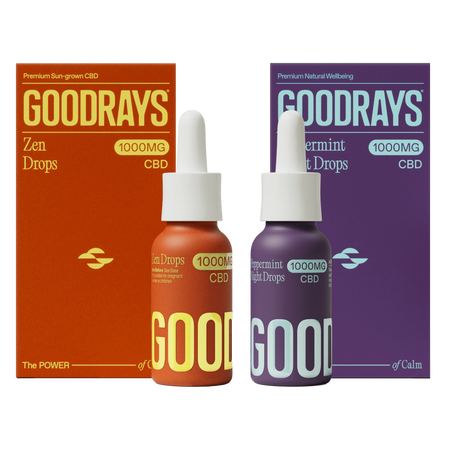
CBD (cannabidiol) oil is a concentrated oil, usually found in small dropper bottles, and is intended to be taken orally in small amounts by placing a few drops under the tongue.
Products such as oils, gummies and drinks that contain CBD are classified as food supplements. They can only be sold in the UK if they contain 0.2% THC or less, contain no more than 1% CBD in the entire packet and have a Novel Food classification by the Food Standards Agency (FSA). 0.2% is generally too low to cause any high or intoxicating effects.
How it's made
CBD oil is extracted from the leaves, flowers and stalks of the hemp plant, usually using CO₂ extraction. This method uses pressurised carbon dioxide to separate the cannabinoids from the plant material, resulting in a clean, pure product.
Highly concentrated CBD is then mixed with a carrier oil, most commonly coconut MCT oil, to create specific concentrations of CBD oil that can then be used under the tongue.
What it contains
CBD oil contains CBD suspended in a carrier oil. There are three types of CBD, depending on the extraction method:
- Full-spectrum CBD contains all of the cannabinoids found in the hemp plant, including CBD and plant compounds called terpenes and flavonoids, as well as trace amounts of THC (up to 0.2% THC).
- Broad-spectrum CBD contains CBD, terpenes and flavonoids and has had the THC removed.
- CBD isolate is pure CBD with no other compounds.
How it works
CBD oil is thought to have an effect on the endocannabinoid system (ECS). The ECS is a network of receptors throughout the body responsible for homeostasis, or balance. It’s still being researched, but it’s understood that it supports:
-
Metabolism
-
Appetite
-
Hormonal balance
-
The sleep-wake cycle
-
Circadian rhythms (the body clock)
-
Memory
-
Mood
-
Pain perception
-
Immunity
Naturally occurring chemicals called endocannabinoids are produced by the body that interact with the ECS, signalling that action needs to be taken, for example, to provide natural pain relief or release endorphins to lift the mood. But these endorphins aren't finite, and deplete after a certain amount of time.
It’s thought that cannabinoids such as CBD can either mimic the action of endocannabinoids or help prevent their breakdown. Either way, evidence suggests that CBD has potential health benefits for pain relief, mood, sleep and stress reduction.
Common uses
CBD is often used with the belief that it can promote a feeling of relaxation and calm, support better sleep and reduce anxiety.
There are different ways of using CBD. CBD oil is designed to be used sublingually (under the tongue), a few drops at a time. CBD gummies and drinks are usually pre-dosed and easy to take on the go.
Potential benefits
Studies suggest that CBD oil has potential health benefits. With indications it may be able to help to reduce anxiety, promote better quality sleep and reduce pain. Terpenes and flavonoids may also support CBD to create an ‘entourage effect’, working synergistically to further help reduce stress and anxiety and support pain relief.
Hemp seed oil vs CBD oil: key differences
The main difference between hemp seed oil and CBD oil is the level of CBD. As its name suggests, CBD oil contains CBD, whereas hemp oil contains little to no CBD.
The main reason for using CBD is for its cannabinoid content and its potential health benefits for easing anxiety, stress, poor sleep and chronic pain.
Conversely, the main reason for using hemp seed oil is its nutritional benefits, particularly its potential benefits for heart health. This is due to its essential fatty acid profile, B vitamins and vitamin D content.
Do either contain THC?
Hemp seed oil doesn’t contain any THC (and only trace amounts of CBD, if any at all). Some CBD products contain THC, but only ever at a concentration of 0.2% or less.
Will hemp seed oil or CBD oil get you high?
No, neither hemp seed oil nor CBD oil contains levels of THC above 0.2%. Therefore, they’re very unlikely to cause a high, have any mind-altering, psychoactive effects or become addictive.
Risks and side effects
There are no known risks or side effects to using hemp seed oil products on your skin or consuming it in your diet.
CBD products are also considered safe and are well-tolerated by most people. However, some people experience dizziness, diarrhoea, a dry mouth and a decreased appetite if they take it in high doses. You can avoid this risk by taking a lower dose; if you’re new to CBD, it's recommended that you start low, around 25mg per day.
There’s also a small risk that with regular use of full-spectrum CBD products, THC could build up in your system, which could show up on a drug test. Using CBD products made using CBD isolate, which are free from THC, won’t cause a buildup of THC.
Can you take hemp seed oil and CBD oil together?
Yes, because hemp seed oil doesn’t contain CBD, you can use it alongside CBD oil without fear of taking too much CBD.
Hemp seed oil vs CBD oil for different purposes
Hemp seed oil and CBD oil can support different aspects of your health and well-being.
For skin
CBD oil tends to come in small dropper bottles, and therefore it’s not usually intended for use directly on the skin (although there are some skin creams that contain CBD designed to target sore, aching muscles).
Hemp seed oil is rich in omega-3 and omega-6 fatty acids, which are beneficial for skin health, helping to nourish and moisturise without causing a greasy buildup or blocking pores. It’s also rich in gamma-linolenic acid, which has anti-inflammatory properties that can soothe inflammatory skin conditions such as psoriasis, eczema and acne.
For anxiety
Evidence suggests that CBD can help reduce anxiety, while hemp seed oil products are unlikely to have any effect on anxiety or mood, as they don’t contain any active ingredients. However, due to its nutritional profile, hemp seed oil supports a healthy diet, which supports better mental health.
For pain
Studies suggest that CBD oil can be used for effective pain relief. Hemp seed oil products are unlikely to help, as they don't contain the active compounds needed to interact with the ECS and reduce pain.
For pets
There’s currently no evidence to support the safe use of CBD in pets. In the UK, CBD products or other products with any cannabinoid content are not licensed for use in pets, unless they’re prescribed by a vet.
Hemp seed oil, on the other hand, is commonly used in pet skincare products. Due to its essential fatty acids, it supports coat and skin health.
How to read a product label
Hemp seed oil is available in supermarkets and on general sale without legal restrictions because it doesn’t contain THC or CBD. For maximum nutritional benefit, look for high-quality cold-pressed hemp seed oil that hasn’t been mixed or diluted with any cheaper vegetable or seed oils.
CBD is classified as a Novel Food and, as such, its sale is subject to restrictions. Check that the brand you’re buying from includes the strength of CBD on its packaging, and whether or not it contains THC (it must be below 0.2%). Brands must undergo third-party testing for purity, so look for a certificate of analysis on their website that details this.
Which one should you buy?
Whether you buy hemp seed oil or CBD oil will depend on what you want to use it for:
Use cases for hemp seed oil
Hemp seed oil can be consumed like any other high-quality food oil. For example, use it in salad dressings, vinaigrettes, dips and pesto, drizzle it over roasted vegetables or soups or add it to smoothies. It’s best used raw, in its cold-pressed state, to preserve its nutrients, so don't be tempted to cook with it. It’s also found in skin care creams, balms and lotions designed to hydrate and moisturise dry, cracked or inflamed skin.
Use cases for CBD oil
CBD oil is sold as a food supplement and can be used during the day to promote calmness and focus, or at night as part of a bedtime routine to support restful, good-quality sleep.
When to use both
Hemp seed oil and CBD oil can be used together as part of a healthy diet and lifestyle to support general wellbeing, skin health, mood and sleep. Use hemp seed oil in your regular diet and skincare, and use CBD oil daily as you would any other food supplement, to gain the most benefit.
Are hemp seed oil and CBD oil legal in the UK?
Yes, both hemp seed oil and CBD oil are legal in the UK, as long as they contain 0.2% THC or less per dose (and 1mg or less of THC in the entire container).
Studies and research
A study from 2024 found that CBD can be as effective as melatonin for promoting better sleep, and a 2020 literature review found that CBD can be helpful for people experiencing stress, depression and anxiety.
In 2021, researchers found positive results for the protective antioxidant effects of hemp seed oil.
References
Emily. (2021, March 25). Hemp Oil vs CBD Oil: What’s The Difference? Good Hemp. https://www.goodhemp.com/hemp-hub/cbd-oil-vs-hemp-oil/
PharmD, J. C. (2024, February 28). What is the difference between hemp seed oil and CBD oil? https://www.medicalnewstoday.com/articles/hemp-seed-oil-vs-cbd-oil#hemp-seed-oil
Hurr, R., & Team, A. B. O. C. (2020, October 15). What's the difference between hemp oil and CBD. LloydsPharmacy. https://lloydspharmacy.com/blogs/vitamins-and-supplement-advice/difference-between-cbd-and-hemp-seed-oil
Borst, H. (2025, November 17). 7 Science-Backed Benefits of CBD. Forbes Health. https://www.forbes.com/health/cbd/cbd-oil-benefits/
This article is for informational purposes only and does not constitute legal or medical advice. Please consult your healthcare provider before starting any new supplement, especially if you are pregnant, breastfeeding or taking other medications.
Read more about our author here


